As South Africa continues to navigate energy uncertainty, rising electricity costs, and decarbonisation pressures, renewable energy has moved from a “nice-to-have” to a business imperative. At the centre of this transition are Independent Power Producers (IPPs) – renewable energy companies that are fundamentally reshaping how electricity is generated, distributed, and consumed.
But what exactly does an IPP do, and how does this model unlock more accessible and affordable energy for businesses?
Understanding the Role of an IPP
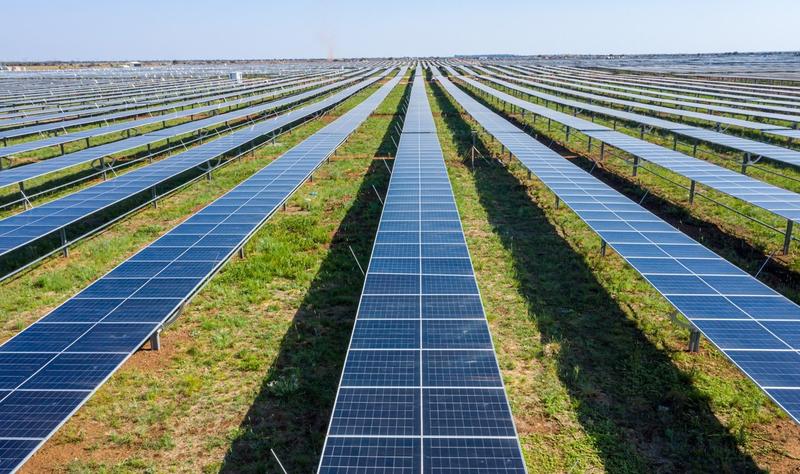
An Independent Power Producer (IPP) is a company that generates electricity independently of traditional utilities like Eskom. Instead of relying solely on centralised coal-fired power stations, IPPs develop, finance, build, own, and operate renewable energy assets such as solar photovoltaic (PV) plants and increasingly, battery energy storage solutions (BESS).
These projects generate clean electricity that can be supplied directly to businesses through mechanisms like energy wheeling or on-site solutions.
In simple terms, an IPP enables businesses to access reliable, cost-effective, and sustainable electricity without needing to build or manage the infrastructure themselves.
The Core Functions of a Renewable Energy Company
A fully integrated renewable energy company typically operates across several key stages:
- Development: This is where projects are conceptualised and designed. It includes site identification, environmental approvals, grid access applications, and structuring bankable energy solutions.
- Financing: Renewable energy projects are capital-intensive. IPPs secure funding through a combination of equity and debt, often leveraging strong balance sheets and partnerships with financial institutions. This is what allows businesses to adopt renewable energy without upfront capital expenditure.
- Construction (EPC): Once a project reaches financial close, it moves into construction. This involves engineering, procurement, and construction (EPC), ensuring that the plant is built to high safety, quality, and environmental standards.
- Operation and Maintenance: After commissioning, the IPP operates and maintains the asset over its lifecycle, ensuring consistent performance and energy delivery.
- Energy Sales and Delivery: Finally, the electricity generated is sold to off-takers (businesses) through structured agreements such as Power Purchase Agreements (PPAs). This is where solutions like energy wheeling come into play.
What Is Energy Wheeling and Why Does It Matter?
Energy wheeling is one of the most transformative developments in South Africa’s energy landscape. It allows electricity generated at one location (for example, a solar plant in a high-yield area) to be transmitted via the national grid for a business with operations elsewhere.
For businesses, this translates into:
- Reduced reliance on Eskom
- Greater price certainty over the long term
- Immediate access to renewable energy without infrastructure changes
The Growing Role of Battery Energy Storage Solutions
While solar energy is abundant and cost-effective, it is inherently variable. This is where battery energy storage solutions (BESS) become essential. BESS allows energy generated during the day to be stored and used during peak demand periods or when solar generation is low. For businesses, this unlocks several key benefits:
- Peak shaving to reduce high tariff charges
- Backup power during outages or load shedding (if on-site)
- Improved energy reliability and resilience
From an IPP perspective, integrating BESS into renewable energy projects enhances the value of energy wheeling by making supply more consistent and dispatchable.
Making Renewable Energy More Accessible and Affordable
One of the biggest misconceptions about renewable energy is that it requires significant upfront investment. The IPP model directly addresses this. By taking on the responsibility for development, financing, and operation, renewable energy companies enable businesses to access clean power through flexible commercial structures. These often include:
- No upfront capital investment
- Long-term price certainty through fixed or escalated tariffs
- Immediate cost savings compared to traditional electricity tariffs
This aligns closely with the needs of South African businesses, many of which are under pressure to reduce operating costs while meeting sustainability targets.
Supporting South Africa’s Energy Transition
Beyond individual business benefits, IPPs play a critical role in the broader energy ecosystem.
They:
- Contribute additional generation capacity to reduce strain on the grid
- Accelerate the transition away from carbon-intensive energy sources
- Support economic development through job creation and local procurement
- Enable corporates to meet ESG and decarbonisation commitments
In a market like South Africa, where energy supply constraints have had a direct impact on economic growth, the role of IPPs is not just important – it is essential.
For commercial and industrial businesses, renewable energy is no longer a future consideration but a strategic priority today. Through solutions like energy wheeling, on-site generation, and battery energy storage, companies can access reliable, cost-effective alternatives to traditional electricity supply while improving operational resilience. Realising these benefits depends on partnering with a renewable energy company that brings the technical expertise, financial strength, and market experience needed to deliver sustainable, bankable solutions.
Start Saving on Energy Today
If your business is looking to reduce electricity costs, improve energy security, and transition to cleaner power, now is the time to explore your options. SOLA’s energy solutions are designed to make renewable energy more accessible and affordable for South African businesses, with flexible structures that remove the barriers to entry.
To see if your business can start saving on energy today, visit the Buy Energy tab on our website and take the first step toward #PoweringPositiveEnergy.