By Katherine Persson, MD Assets
South Africa’s electricity story is changing.
After years of being defined by load-shedding, the conversation is increasingly shifting towards something bigger: choice, competition and a more diversified energy market.
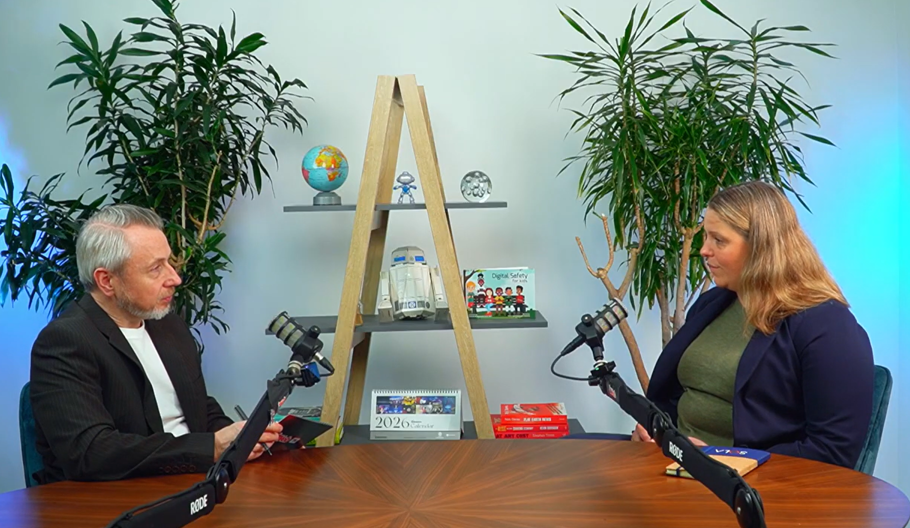
Speaking to ITWeb TV recently, SOLA Group MD Katherine Persson reflected on how the country’s electricity system has evolved and what the next two to five years could mean for businesses looking to take greater control of their energy procurement.
A more stable grid, but a changing energy landscape
South Africa’s electricity system is currently in a considerably more stable position than it was during the height of load-shedding. But, as Katherine points out, the long-term sustainability of that stability depends on what happens next. “Whether that can stay sustainable over the long-term really depends on how quickly Eskom’s old coal plants get decommissioned and whether the amount of renewable energy is sufficient at that time to fill the gap.”
As ageing coal-fired power stations are progressively decommissioned, new generation capacity will need to come online to maintain supply. There is already significant momentum. Katherine notes that while South Africa’s grid has approximately 55GW of generation capacity, around 20GW of new generation projects, predominantly renewable energy, have registered their intention to begin construction over the next three to five years.
For an experienced renewable energy company like SOLA, this represents both an opportunity and an important responsibility: developing the generation capacity required to support a more sustainable electricity system.
From a single electricity supplier to greater choice
One of the biggest structural changes in South Africa’s energy market has been the emergence of independent power producers (IPPs) and energy wheeling. Energy wheeling allows renewable electricity generated at one location to be allocated to a customer at another location via the existing electricity grid. For businesses, this means they do not need to build generation infrastructure on their own property to access renewable energy.
Instead, a business can enter into a Power Purchase Agreement (PPA) with an IPP and procure renewable electricity generated from a utility-scale project. SOLA has been at the forefront of this transition, with its supply agreement with Amazon Web Services in 2021 becoming South Africa’s first solar energy wheeling project.
Katherine describes wheeling simply as: “An accounting treatment, a reconciliation.”
This model is helping to change the relationship between generators and energy consumers. Businesses can increasingly choose where their electricity comes from, rather than being limited to a single source.
The next challenge: getting renewable energy onto the grid
While South Africa has made significant progress in developing renewable generation, Katherine identifies another challenge that is becoming increasingly important: transmission infrastructure.
The country has a growing pipeline of renewable energy projects, but those projects need somewhere to connect. “We’re now reaching the point where it’s getting trickier to find a place where you can inject new generation into the network.”
This makes investment in transmission infrastructure critical to the next phase of South Africa’s energy transition. The establishment of the National Transmission Company South Africa is an important part of this process. As Katherine explains, the company will work with the private sector to attract greater investment into transmission infrastructure, enabling more renewable energy projects to connect to the grid.
The transition therefore isn’t simply about building more solar plants. It is about developing the infrastructure and market mechanisms that allow that electricity to reach customers.
Where BESS fits into the future
As renewable energy penetration increases, technologies such as Battery Energy Storage Systems (BESS) will become increasingly important. Batteries can help shift renewable energy to when it is most valuable, providing greater flexibility between generation and consumption.
For businesses, the combination of solar and BESS can provide a more flexible renewable energy solution, helping to optimise when energy is generated, stored and consumed.
The future will not be defined by one technology alone. Solar PV, BESS, energy wheeling, PPAs and evolving grid infrastructure will increasingly work together as components of a more flexible energy system.
The rise of the South African wholesale energy market
Perhaps the most significant change on the horizon is the development of a South African wholesale energy market. Katherine expects this evolution to become increasingly visible over the next two to five years. “We’re moving away from the days where we would sell from one project to one buyer, or we would only sell to the government.”
Instead, South Africa is moving towards a market where there are more sophisticated ways of buying and selling electricity. That means greater competition between generators, more options for buyers and potentially a much more dynamic energy procurement environment.
As Katherine puts it: “The days of Eskom producing all of the electricity for the country are now gone.”
For businesses, this represents an important shift in how energy should be viewed. Electricity procurement is no longer simply an operational cost to be managed. It is becoming a strategic decision. Businesses can increasingly consider factors such as price, renewable content, flexibility, sustainability objectives and contract structure when determining where and how they buy electricity.
A greener, more competitive energy future
South Africa’s energy transition is therefore about much more than replacing coal with solar. It is about creating an electricity market where renewable energy can be generated at scale, transported efficiently through the grid, stored when necessary and purchased by businesses through flexible commercial arrangements.
Katherine believes that in the near future, the wholesale market will become established and bring greater competition and renewable energy representation to the system.
Her vision for the future is one that is: “A lot more dynamic, a lot more technologically-advanced and a lot greener.”
For businesses, that future is already beginning. Through PPAs and energy wheeling, companies can access utility-scale renewable energy without needing to develop and operate their own generation assets. And as BESS and new market structures continue to develop, the range of options available to energy buyers will only expand.
The question for businesses is no longer simply whether South Africa’s energy market will change. It is how prepared they will be to participate in that change.
Ready to buy renewable energy for your business?
SOLA is helping businesses access renewable electricity through energy wheeling with options that include solar PV and solar paired with BESS.
If your business is ready to explore how buying renewable energy could reduce costs, support your sustainability goals and give you greater choice in how you procure electricity, visit our Buy Energy page and register your interest.
Watch the full interview on YouTube here: https://www.youtube.com/watch?v=dJ7BQiZqUro&t=658s